
Debt rarely becomes overwhelming overnight, but it builds quietly and steadily until it starts to affect every part of your life. At first, you may rely on credit cards to cover small gaps, and then you begin juggling bills just to stay current. Over time, this pattern creates pressure that feels constant and difficult to manage.
You should consider speaking with a bankruptcy lawyer when your financial situation stops feeling temporary and starts disrupting your ability to plan, sleep, and function. Bankruptcy is a structured legal process that can help address serious debt, but timing matters, and early action often gives you more options and better outcomes.
When Debt Starts To Disrupt Your Stability
Debt becomes a serious concern when it interferes with your basic needs and daily decisions. If you find yourself choosing which bills to pay while ignoring others, you are likely dealing with more than a short-term setback. This situation often worsens because interest continues to grow, and late fees add up quickly.
You may also notice that creditors increase their efforts to collect. They may call more frequently, send urgent letters, or escalate to legal threats. Although you may try to manage these communications on your own, the pressure can make it harder to think clearly and respond effectively. As a result, many people delay decisions, and that delay can lead to lawsuits or wage garnishment.
Another clear sign involves using new debt to pay off old debt. While this may seem like a temporary solution, it often creates a cycle that becomes harder to break. Instead of reducing your balance, you shift it around, and over time, the total amount grows. When this pattern continues, it signals that your current strategy is no longer working, and you may need legal guidance to explore better options.
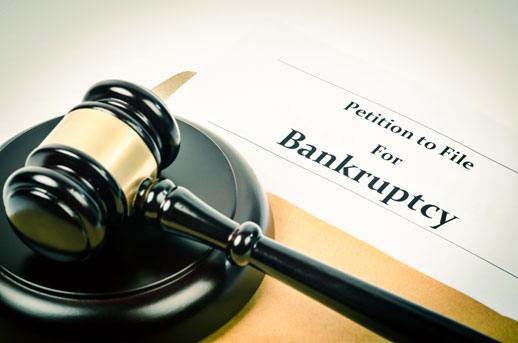
When You Need A Clear & Practical Plan
Many people wait too long to ask for help because they feel uncertain or overwhelmed. However, speaking with a lawyer early allows you to understand your options before the situation becomes more complicated. A consultation can help you compare different forms of relief, including Chapter 7 and Chapter 13 bankruptcy, as well as non-bankruptcy alternatives when appropriate.
A lawyer can also review your income, assets, and debts to help you determine which path aligns with your goals. For example, Chapter 7 may help discharge certain unsecured debts, while Chapter 13 may allow you to reorganize payments over time. Each option carries different responsibilities and outcomes, so clear guidance helps you avoid costly mistakes.
Most importantly, early action gives you control. When you understand your rights and the legal tools available, you can respond to creditors with a plan instead of reacting out of fear. You can protect essential property, reduce ongoing stress, and begin working toward financial stability with intention and clarity.